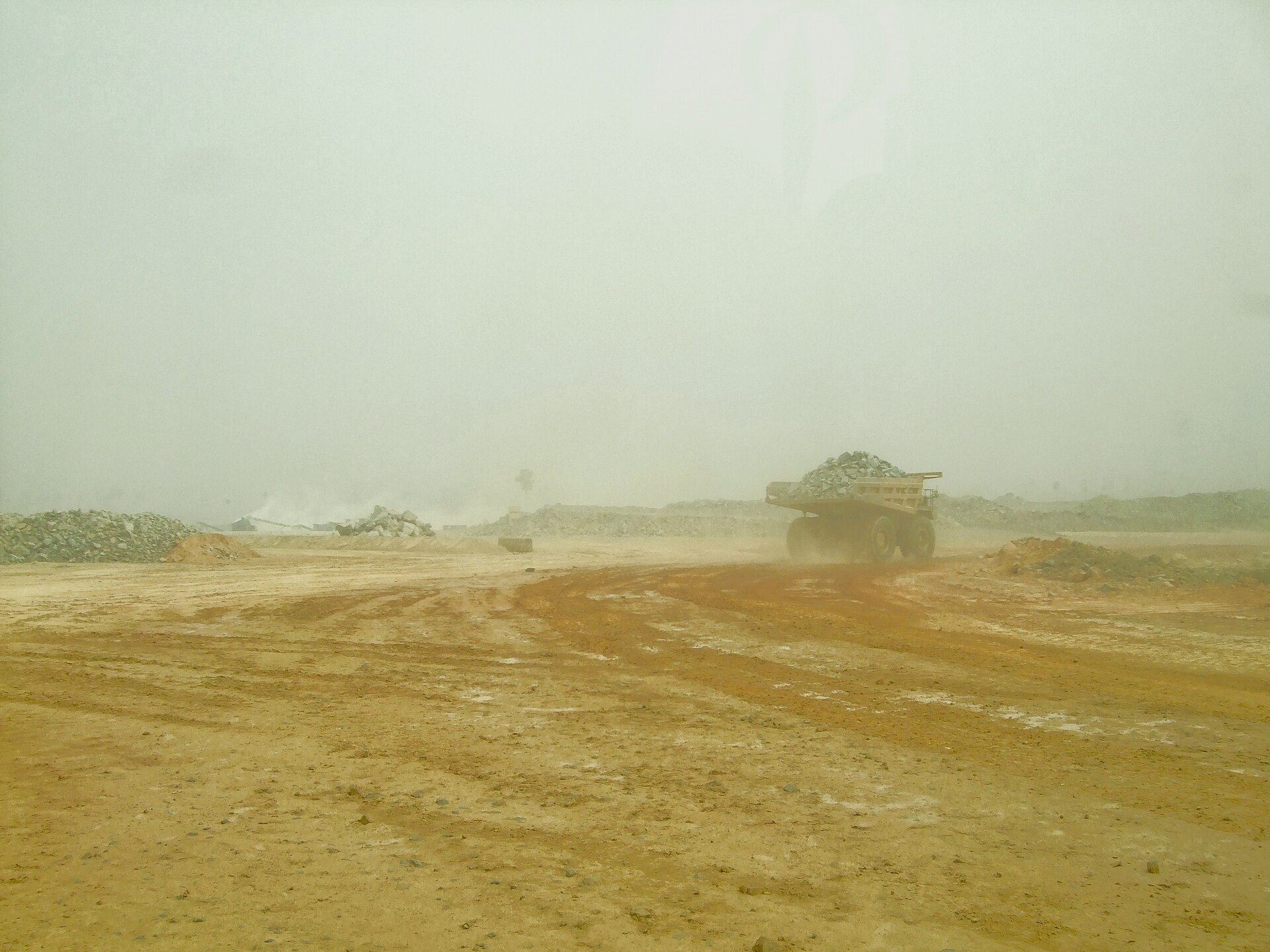
The Kalia iron ore deposit in Guinea’s Faranah Prefecture, with resources of 7.2 billion tonnes across the Kalia I and Kalia II zones, remains undeveloped nearly two decades after exploration began, Ecofin Agency reported on 8 September 2026. The permit is listed as inactive in Guinea’s mining cadastre with the notation “withdrawn by order”.
Two sponsors, no production
According to Ecofin Agency, Australia’s Bellzone Mining acquired exploration rights in 2007. In 2010 it signed an agreement with China International Fund for up to US$2.7bn in rail and port financing and a possible US$1.2bn for mining. A 2012 feasibility study planned 45 to 46 million tonnes a year, but in 2013 Bellzone scaled back to 7 million tonnes a year at an investment of US$865m. Falling prices and financing difficulties followed, and Bellzone entered insolvency proceedings in December 2018.
In 2023, Millennium Panorama Group acquired an 85% interest through its subsidiary Stella Vista, with the Guinean state holding 15%. A new feasibility study in 2024 was based on a 7.252 billion tonne resource and an US$865m investment, but production did not begin. Local media reported in May 2025 that the permit had reverted to the state as part of mining sector reforms. Millennium Panorama had projected 44,000 jobs from the project.
Why it matters
Kalia illustrates how Guinea’s 2025 clean-up of the mining cadastre applies to large but dormant titles, not only small exploration permits. A withdrawal by order ends the holder’s right to the resource but not necessarily the dispute. A former holder that invested after 2023 may consider its options under Guinea’s Mining Code, its mining convention and any applicable investment treaty. Whether a claim is viable will depend on whether development obligations were missed, whether the procedure for formal notice and cure was followed, and the nationality structure of the investing entities.
Get the next Meridian Briefing. Every Thursday at 11:00 WAT.
For new bidders, the practical question is clean title. Before investing in a reallocated deposit, a buyer or lender should confirm that the withdrawal order was properly issued and published, that there are no pending challenges before the Guinean courts or international tribunals, and that security interests created by earlier holders, including any tied to the Bellzone insolvency, have been released.
Infrastructure is the commercial constraint. Kalia’s history shows that a deposit of this size is only bankable with a rail and port solution. With the Simandou corridor now operating, any revival of Kalia is likely to depend on negotiated access to third-party infrastructure, which would require clear regulated access terms and tariffs.







Leave a Reply