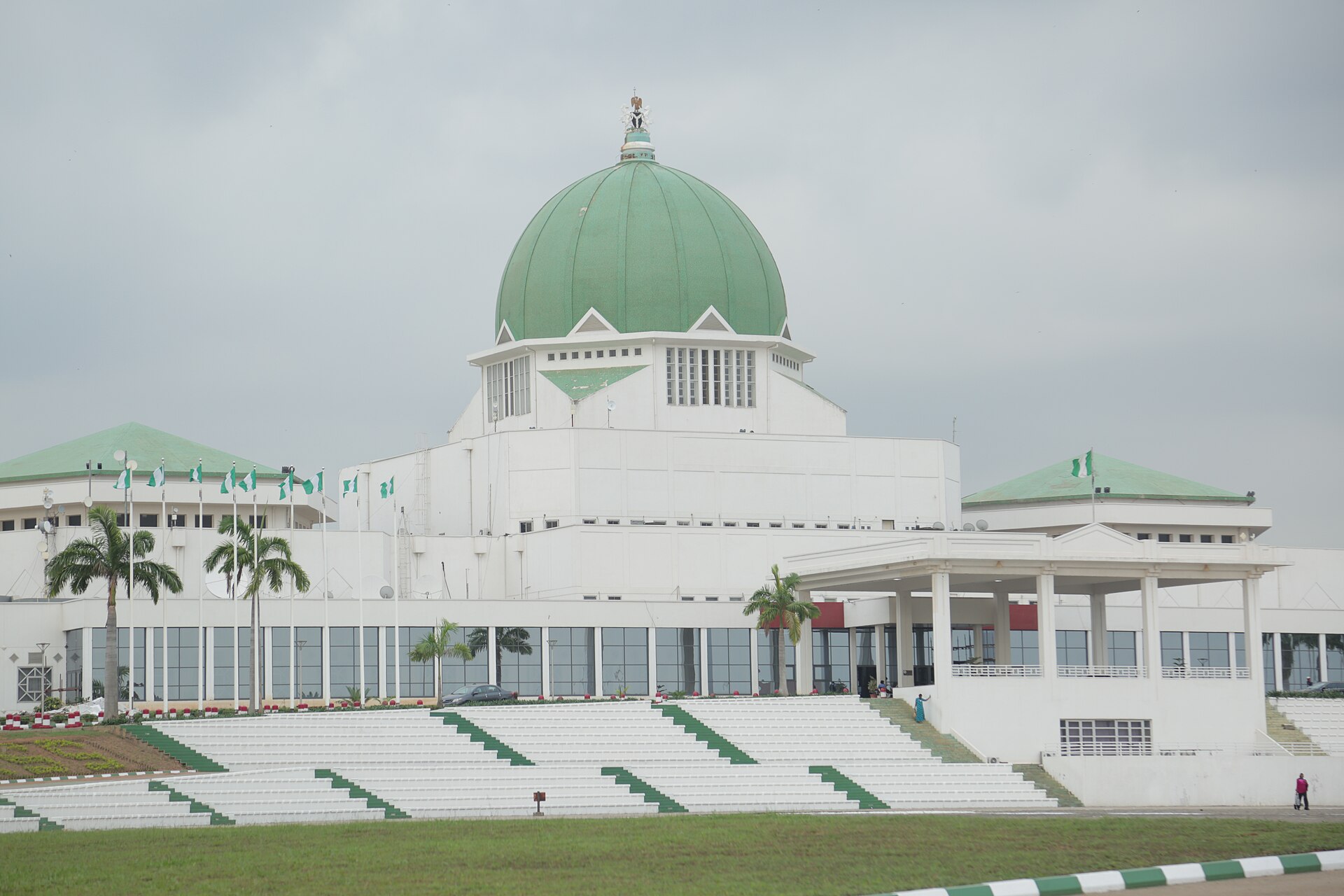
Former NBA President Afam Osigwe SAN told the 22nd Nigeria Guild of Editors conference in Enugu in September 2026 that Nigerian courts are gradually usurping voters’ power to choose their representatives through legal technicalities.
The argument
In a keynote on “Election Petition in the Digital Age: Independence, Evidence, BVAS”, Osigwe agreed with a judicial colleague’s description of the “judicialisation of the electoral process”, arguing that the difficulty of proving non-compliance with electoral law has let courts assume a role that should belong to voters. He said Nigeria has one of the highest numbers of election petitions in the world, and questioned whether its courts could resolve urgent electoral disputes as quickly as courts elsewhere.
Context
The debate is timely: presidential, governorship and legislative campaigns for 2027 are under way, and pre-election suits over party primaries are already before the courts, including a September 2026 decision nullifying a governorship candidate’s nomination in Gombe and ordering a fresh primary. The Electoral Act 2022 and the use of the BVAS device and IReV result viewing portal have shifted the evidential questions in petitions from paper records to electronic data.
Why it matters to the legal market
Election litigation is a significant source of work and income for senior advocates, and time limits in section 285 of the Constitution compress it into intense periods. Critics argue it also diverts judicial resources from commercial litigation during election cycles. Proposals to reduce pre-election litigation by tightening party primary rules, and to specialise election tribunals, are likely to feature in the constitutional amendment process now before state assemblies.








Leave a Reply