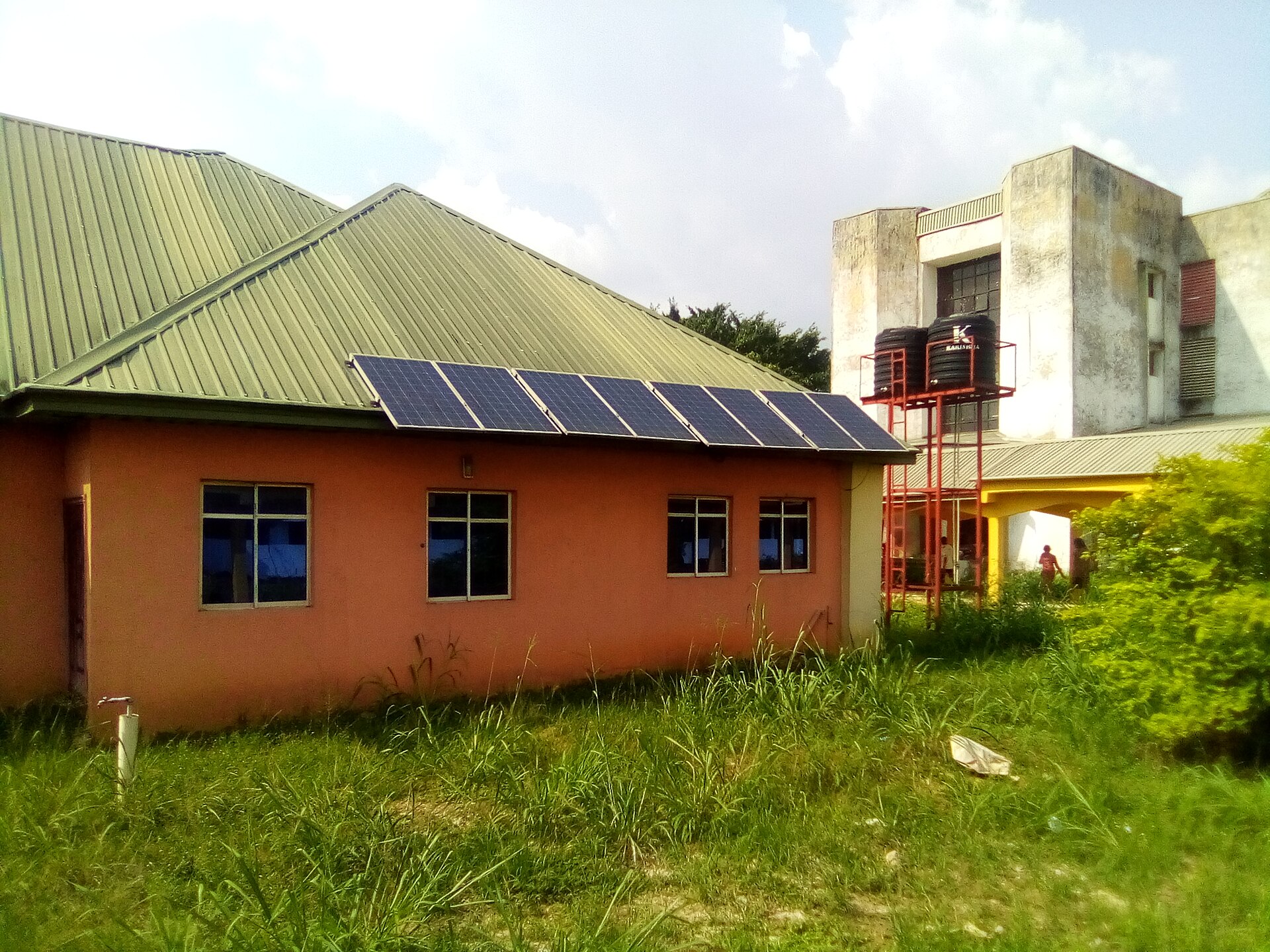
The Nigeria Sovereign Investment Authority (NSIA) and Africa50 have launched a US$300 million Nigeria Distributed Renewable Energy (DRE) Fund to invest in mini-grids and standalone solar systems, The Guardian (Nigeria) reported on 21 September 2026. Vanguard reported on 22 September 2026 that the commercial launch took place at the United Nations General Assembly in New York.
Structure and partners
According to The Guardian, the fund is a co-managed platform that combines public finance, private participation and investment mechanisms, with NSIA and Africa50 as co-managers. Sustainable Energy for All (SEforALL) and the International Solar Alliance are partners, and the World Bank has contributed US$25 million from the International Development Association. The fund forms part of Mission 300, the World Bank and African Development Bank initiative to connect 300 million people in Africa to electricity by 2030.
NSIA Managing Director Aminu Umar-Sadiq said, as reported by Vanguard, that “Nigeria’s distributed renewable energy market is investable, credible and ready to operate at scale.” Africa50 chief executive Alain Ebobissé said the platform combines NSIA’s local market knowledge with Africa50’s investment and fund management capabilities.
What is not yet public
Neither report sets out the fund’s legal form, domicile, target returns, the split of first-loss or concessional capital, or the investment instruments it will use. Those terms will determine whether the fund attracts Nigerian pension fund administrators and other domestic institutions, which face investment limits on alternative assets, as well as foreign capital.
Get the next Meridian Briefing. Every Thursday at 11:00 WAT.
Why it matters
Distributed energy developers in Nigeria have often been constrained by small ticket sizes, naira revenue and the cost of hard currency debt. A sovereign wealth fund partnering with a pan-African infrastructure investor gives developers a new source of capital, but also a demanding counterparty: expect conditions on licensing under the Electricity Act 2023 and state electricity laws, tariff methodology, land and site rights, and environmental and social standards linked to the World Bank money. For counsel advising mini-grid and solar companies, the practical tasks are regulatory readiness (permits from NERC or the relevant state regulator), clean title to assets and customer contracts, and structuring to handle currency risk. The co-management model also raises governance questions about conflicts between the managers’ own balance sheet investments and fund deals.








Leave a Reply