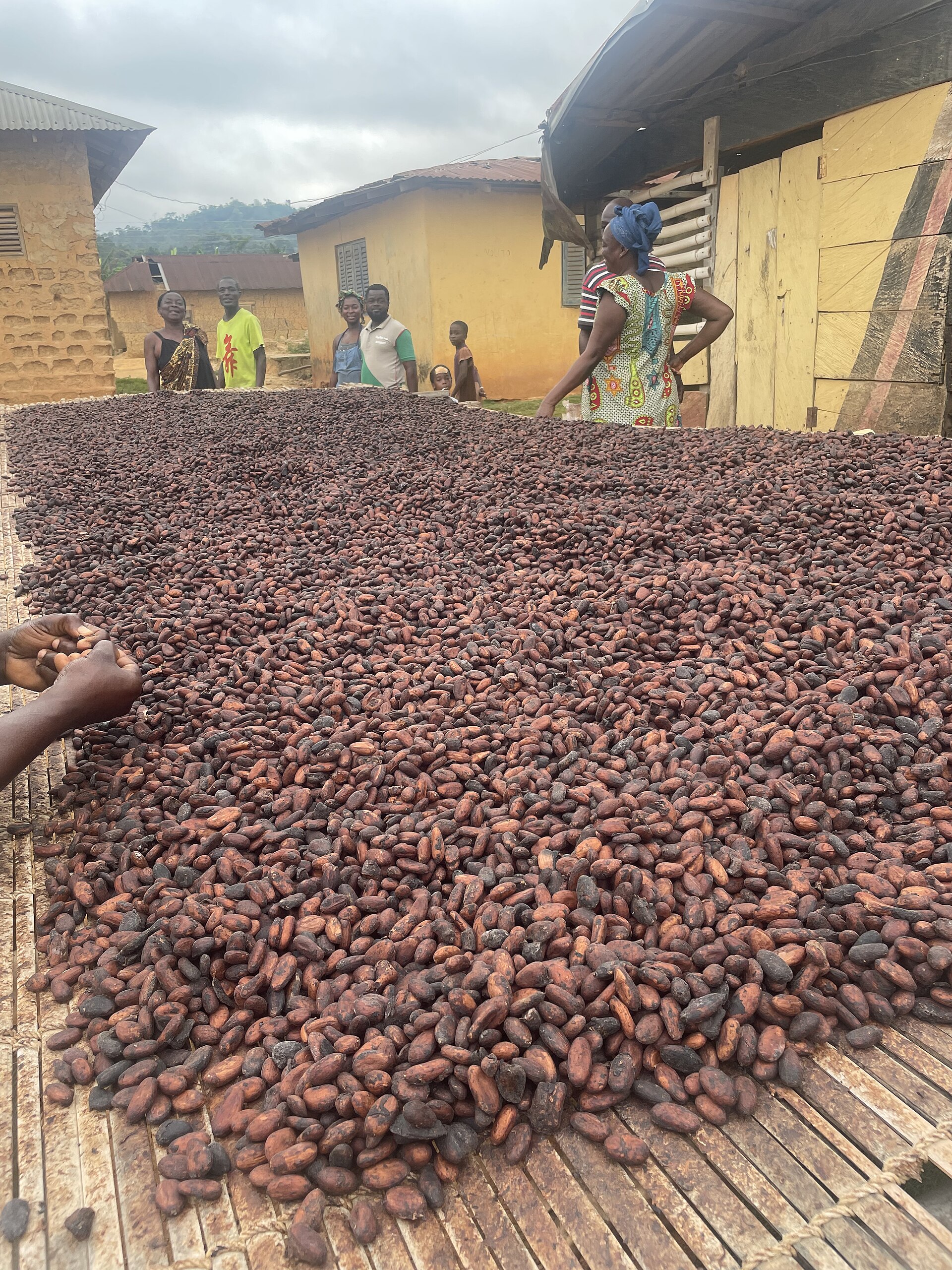
The Ghana Cocoa Board (COCOBOD) has set up Cocoa Capital PLC, a special-purpose financing vehicle, to raise GH¢16.3bn on the domestic market to fund cocoa purchases and refinance sector obligations, MyJoyOnline reported on 28 September 2026. The High Street Journal reported on 26 September that the bookbuild for the first issue would open at 9:00am on Monday 28 September, close at 3:00pm on Wednesday 30 September and settle on Thursday 1 October.
How the programme is structured
According to MyJoyOnline, Cocoa Capital PLC was incorporated on 7 August 2026 under Ghana’s Companies Act 2019, is wholly owned by COCOBOD and has an initial paid-up capital of GH¢5m. The programme is split into GH¢14bn of commercial paper with maturities of up to 270 days and GH¢2.3bn of bonds with tenors of up to five years. Tranches are planned at GH¢4bn, GH¢4bn and then GH¢6bn, subject to market conditions and funding needs. COCOBOD said structures are in place so that proceeds are deployed only for designated cocoa-sector financing and refinancing purposes.
The High Street Journal described the first issue as senior unsecured notes denominated in cedis, with a 270-day tenor maturing in June 2027 and bullet repayment of principal. It reported that proceeds would fund cocoa purchases and clear legacy debts by refinancing a temporary bridge facility, that the notes would be listed on the Ghana Stock Exchange, and that the minimum bid is GH¢50,000. Target investors include banks, pension funds, insurers, stockbrokers, cocoa buyers and high-net-worth individuals. Absa Bank Ghana, CAL Bank, GCB Bank and Stanbic Bank Ghana are among six joint lead managers and bookrunners named in both reports. The coupon had not been published.
Context
MyJoyOnline reported that 2026 production reached 771,000 tonnes against a 650,000-tonne target, and that COCOBOD is targeting 683,000 tonnes for 2027. COCOBOD said the programme points to a sector that is “more resilient, disciplined, and built to deliver value.”
Get the next Meridian Briefing. Every Thursday at 11:00 WAT.
Why it matters
The programme moves a large part of Ghana’s crop finance into a ring-fenced corporate vehicle funded by local institutions. For investors, the key legal questions are the terms of the information memorandum: whether the notes carry any COCOBOD or government support beyond ownership of the issuer, how the use-of-proceeds restrictions are enforced, and what ranks ahead of senior unsecured noteholders if cocoa receipts fall short. A 270-day bullet also creates refinancing risk that depends on each crop cycle and on the later tranches being placed.
Pension trustees and insurers will need to check the instruments against their investment limits and concentration rules, since a GH¢16.3bn programme is large relative to the domestic market. For banks already exposed to COCOBOD, the refinancing of the bridge facility may shift exposure from loans to listed securities, with different capital and liquidity treatment. Lawyers advising cocoa buyers and licensed buying companies should watch whether any tranche is linked to purchase contracts or receivables, which would bring security and assignment questions into play.







Leave a Reply