The Ghanaian subsidiary of Uruguayan payments company dLocal has obtained an Enhanced Payment Service Provider (EPSP) licence from the Bank of Ghana, TechCabal reported on 9 September 2026. The licence allows dLocal Ghana to provide local payment collections, merchant acquisition, mobile money acceptance, bank transfer collections and local payouts to bank accounts and mobile money wallets. It previously facilitated Ghana-related flows through its global platform and regulated third-party partners.
The regulatory framework
Payment services in Ghana are licensed by the Bank of Ghana under the Payment Systems and Services Act 2019 (Act 987), which distinguishes between categories of payment service provider. The enhanced category permits a broader range of activities than a standard licence, with correspondingly higher regulatory requirements.
Why it matters
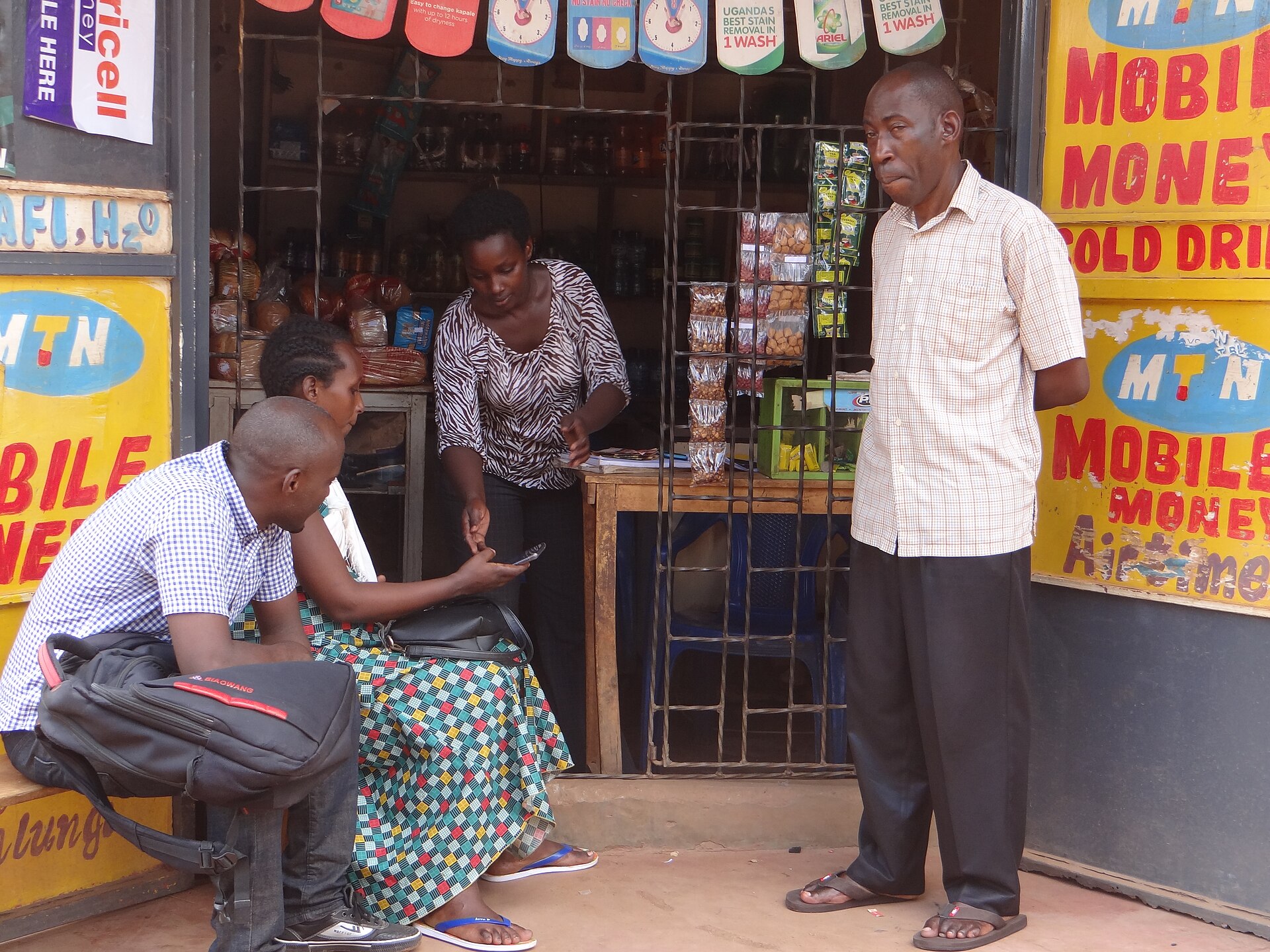
Ghana’s mobile money market processed GH¢4.54trn in 2025, up 50.8% on 2024, according to Bank of Ghana data cited by TechCabal. Global merchants increasingly want direct local licences rather than partner arrangements, because partners add cost and regulators prefer direct supervision. The Bank of Ghana has also been active on the enforcement side, publishing lists of unlicensed digital lenders and tightening oversight of virtual asset activity.
For international payment companies, the licence route is becoming the norm across West Africa. Key legal issues include trust account structures for customer funds, settlement with mobile money operators, foreign exchange rules on repatriating merchant proceeds, and data protection obligations under Ghana’s Data Protection Act. For merchants, a locally licensed processor may improve settlement times and reduce the risk of payment flows being disrupted by regulatory action against unlicensed intermediaries.
Get the next Meridian Briefing. Every Thursday at 11:00 WAT.
Other foreign payment companies considering Ghana should note that licensing is only the first step: the Bank of Ghana also expects local incorporation, capital and governance arrangements, and compliance with its cyber and data rules. Partnerships with licensed local banks remain an alternative route to market.







Leave a Reply