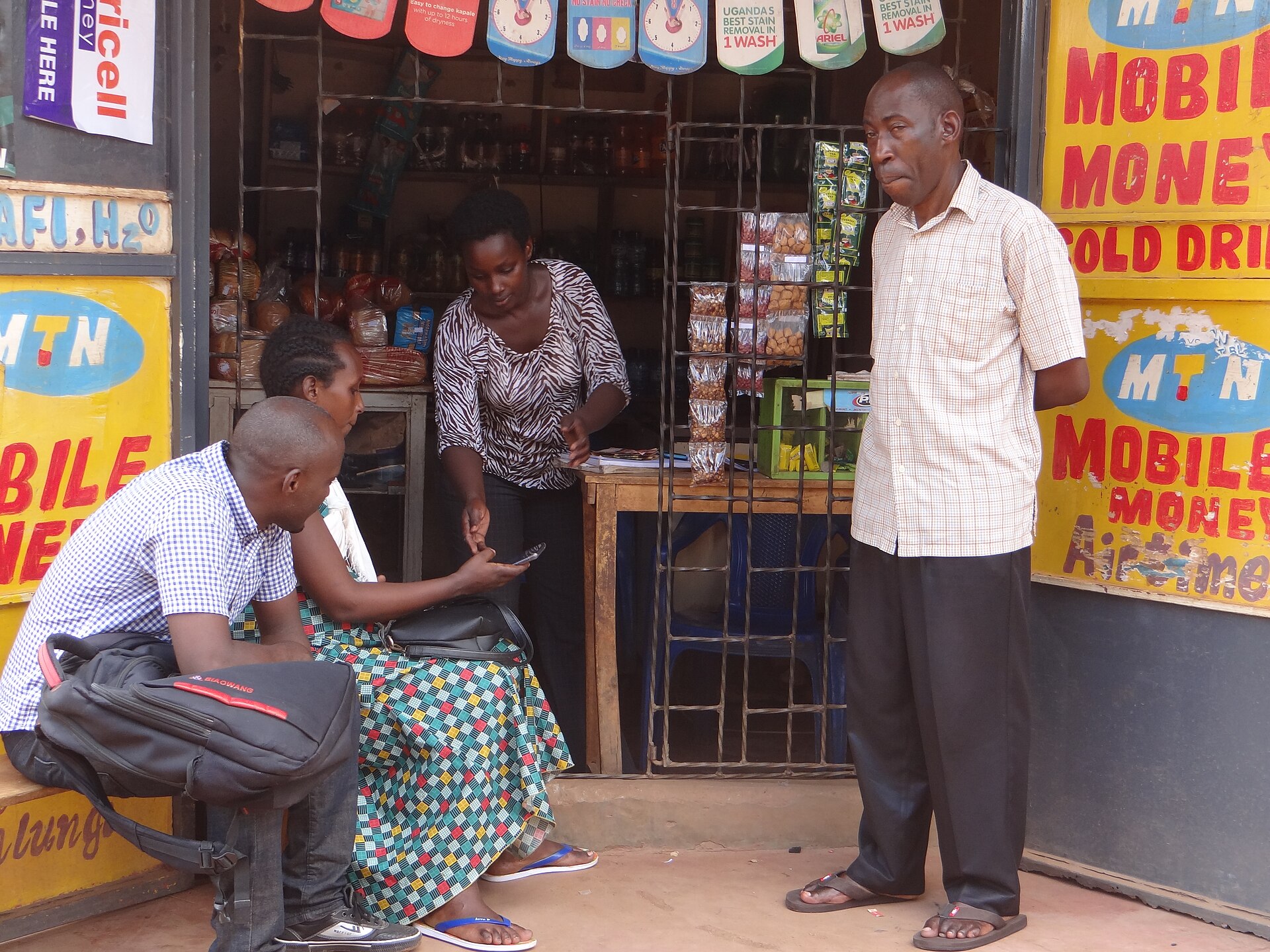
Banks, electronic money institutions and payment institutions in the West African Economic and Monetary Union (UEMOA) face a 30 September 2026 deadline to connect to the Interoperable Instant Payment System Platform (PI-SPI) run by the Central Bank of West African States (BCEAO). The BCEAO set the date in a press release of 25 June 2026 extending the original 30 June deadline, and gave microfinance institutions supervised by the UMOA Banking Commission until 30 June 2027.
The platform
The BCEAO said the extension would allow institutions to complete their integration “dans les meilleures conditions” (in the best conditions) and to meet the platform’s service quality requirements. At 24 June 2026, it said, 80 participants were connected and 74 institutions were in live testing. Dakaractu reported on 24 August 2026 that PI-SPI, launched on 30 September 2025, enables transfers across the union using phone numbers or aliases in under ten seconds, and that domestic transfers between individuals are free.
Wave’s position
According to Dakaractu, Wave, the largest mobile money operator in the region, was not on the BCEAO’s list of authorised participants published on 31 July 2026. The list showed 24 participants in Senegal, including Ecobank, UBA, CBAO, Orange Finances Mobiles and Mixx Sénégal, 23 in Côte d’Ivoire and 14 in Mali. The report said Wave cited unfinished technical prerequisites and a technical exemption, and had not committed to joining. Its analysis was that free interoperable transfers would compete directly with Wave’s fee income on transfers.
Why it matters
PI-SPI is the BCEAO’s instrument for making payments interoperable across banks, mobile money issuers and microfinance institutions, and connection is a regulatory requirement rather than a commercial choice for the institutions covered. The BCEAO’s release did not specify sanctions for missing the deadline, but supervised institutions remain subject to the central bank’s licensing and supervisory powers under the union’s payment systems framework. For fintechs, the practical effect is pressure on fee models built on closed-loop transfers, and a shift in competition towards credit, merchant services and withdrawal pricing. Investors in regional payment businesses should look closely at how revenue depends on intra-network transfers. Banks and e-money issuers that have connected will want clarity on scheme rules, liability for fraud and settlement risk, and dispute resolution between participants. Observers will be watching whether the BCEAO grants further extensions after 30 September or publishes an updated participant list.
Get the next Meridian Briefing. Every Thursday at 11:00 WAT.







Leave a Reply