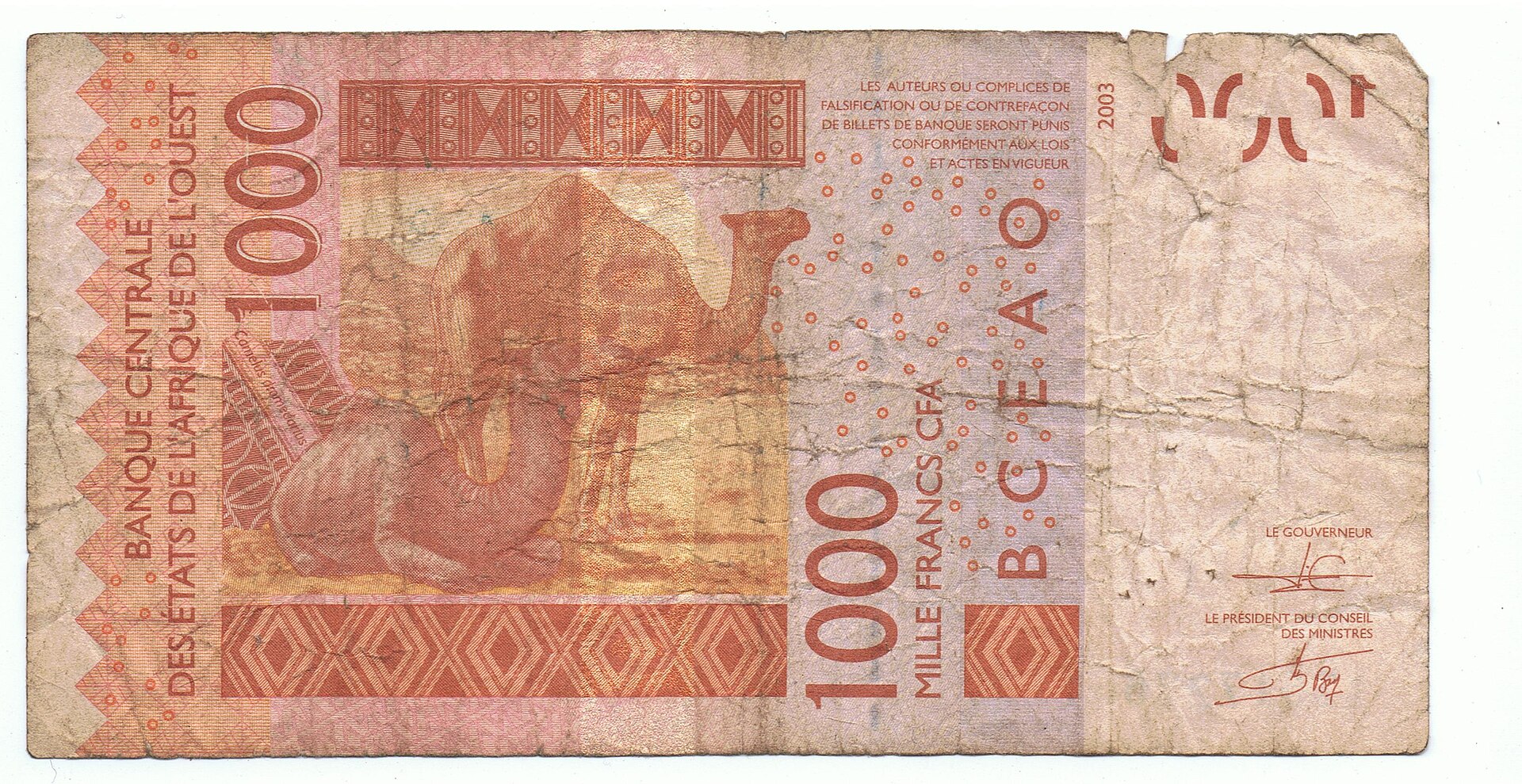
The Monetary Policy Committee of the Central Bank of West African States (BCEAO) left its policy rates unchanged at its third meeting of 2026, held in Dakar on 9 September under the chairmanship of Governor Jean-Claude Kassi Brou. APA News reported on 9 September 2026 that the main policy rate stays at 3.0%, the marginal lending facility rate at 5.0% and the reserve requirement ratio applicable to banks in the West African Monetary Union (UMOA) at 3.0%.
The numbers behind the decision
According to APA News, inflation in the union rose to 0.4% in the second quarter of 2026, from -0.2% in the first quarter, and the BCEAO expects average inflation of 1.0% for 2026, against 0% in 2025. Growth was 6.0% year on year in the second quarter, after 6.1% in the first, with 6.1% projected for the full year. Credit to the private sector grew 6.6% at the end of June 2026, up from 6.0% at the end of March.
Lejecos reported that the committee described inflation as broadly contained but noted a recent acceleration linked to tensions in the Middle East: seven of the eight UMOA member states raised pump prices for fuel, and food prices rose for meat, fish and vegetables. The committee said upside risks to prices remain, that bank liquidity had increased and that monetary conditions had eased following the rate cuts of March 2026. It also called on member states to continue fiscal consolidation to strengthen resilience to shocks.
Why it matters
A hold at 3% keeps the union’s policy rate low relative to its neighbours, and with private credit growth running above 6%, the BCEAO is signalling that the March easing is still working its way through. For borrowers, the decision means little change to the cost of refinancing at the central bank’s windows, which anchors pricing on bank loans and short-term sovereign paper in the UMOA-Titres market. The warning on fuel prices matters because several member governments are managing tight budgets; subsidies or price adjustments could affect both inflation and sovereign issuance. The call for fiscal consolidation is pointed at a moment when Senegal is negotiating a debt treatment and regional issuers depend heavily on the BCEAO-refinanced bank market. Lenders and treasurers should assume rates will stay on hold unless inflation rises materially above the 1% forecast, and should watch the December meeting for any change in tone.
Get the next Meridian Briefing. Every Thursday at 11:00 WAT.







Leave a Reply