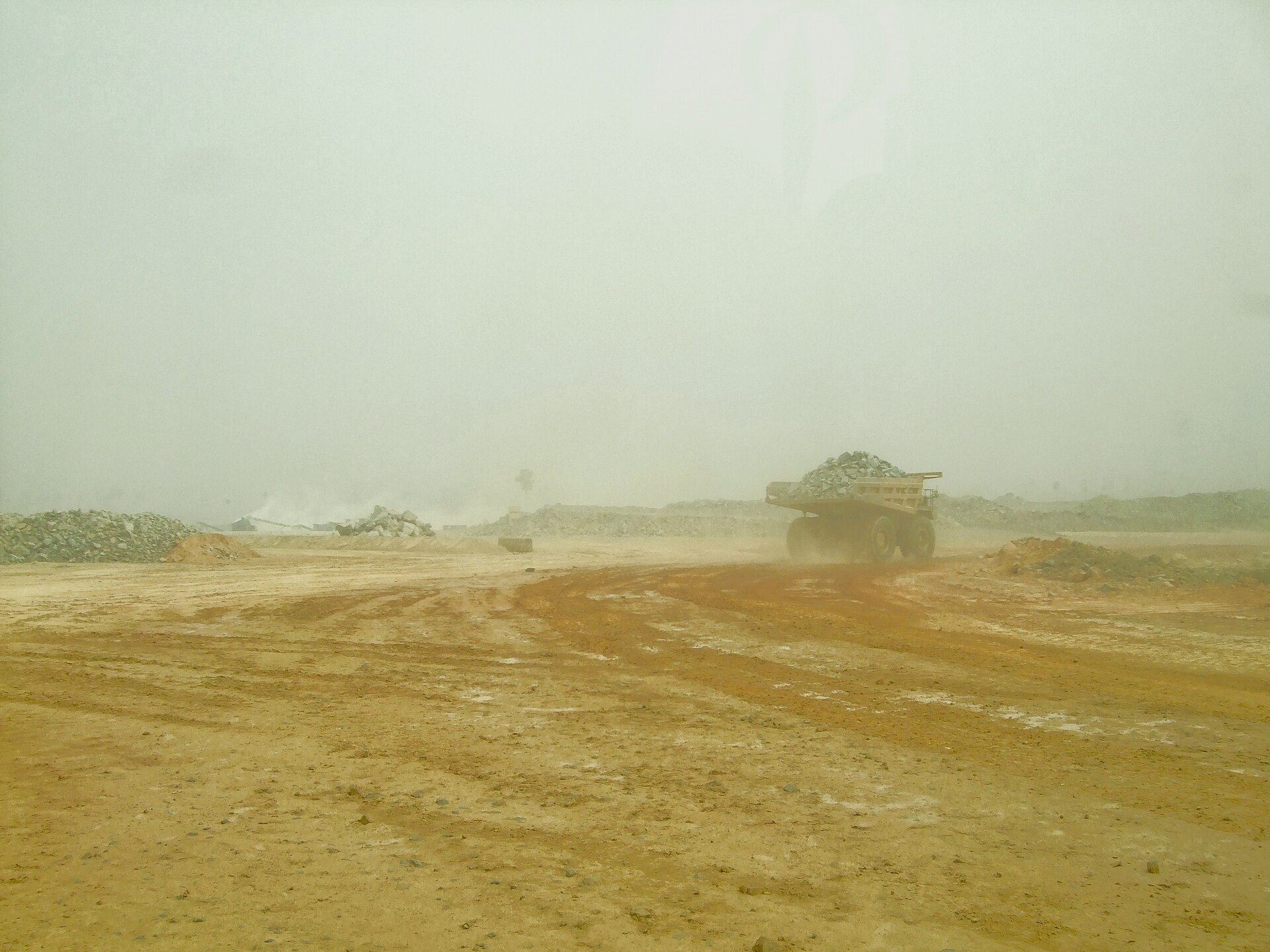
Ghana’s draft overhaul of its mining law could complicate Gold Fields’ application to renew the lease for its Tarkwa mine, Mining.com reported on 17 July 2026, citing Reuters. The Tarkwa lease expires in April 2027. Gold Fields applied for a 20-year extension; the mine produced 475,000 ounces in 2025, about a fifth of the company’s output.
What the draft changes
According to the report, the cabinet-approved draft cuts the maximum renewal period from 30 years to 10, shortens new mining leases from 30 to 20 years and removes automatic renewal, giving the minister more discretion. It would abolish stability and development agreements, with existing agreements expiring in 2027, shorten prospecting licences to 7 to 9 years, create a medium-scale mining tier requiring 60% Ghanaian ownership and make community development agreements mandatory, with a fixed percentage of gross mineral sales going to host communities. Mining.com reported that the government intends to pass the law before reviewing pending lease renewals, so Gold Fields’ request may fall under the new regime.
King & Spalding, in an earlier client note, described the royalty proposal as starting at 9% and rising to 12% if gold reaches US$4,500 an ounce, on top of 35% corporate income tax for large-scale mining. It also noted that current stability agreements provide up to 15 years’ protection and that the proposals would cut the permitted stability period to no more than five years.
Criticism
Mining.com quoted Benjamin Boakye, executive director of the Africa Centre for Energy Policy, as saying that removing stability agreements altogether could make Ghana less competitive against rival mining jurisdictions.
Get the next Meridian Briefing. Every Thursday at 11:00 WAT.
Why it matters
The sequencing is the key legal point. If renewal decisions wait until the new law is in force, holders whose leases expire around 2027 will negotiate under shorter terms, ministerial discretion and higher royalties rather than the regime under which they invested. Operators should review whether their existing agreements contain rights to renewal on stated terms, stabilisation clauses, or arbitration provisions that could be engaged if the state applies new conditions to an application made under the old law, and whether bilateral investment treaties offer protection. Lenders to Ghanaian gold producers should reassess reserve life and debt tenor where a 10-year renewal replaces an expected 20 or 30 years. The mandatory community development agreements will also add a fixed cost line linked to gross sales, which is relevant to valuation in any pending acquisition. Until the bill reaches Parliament, the published draft is the best guide, and its transitional provisions will matter most.









Leave a Reply