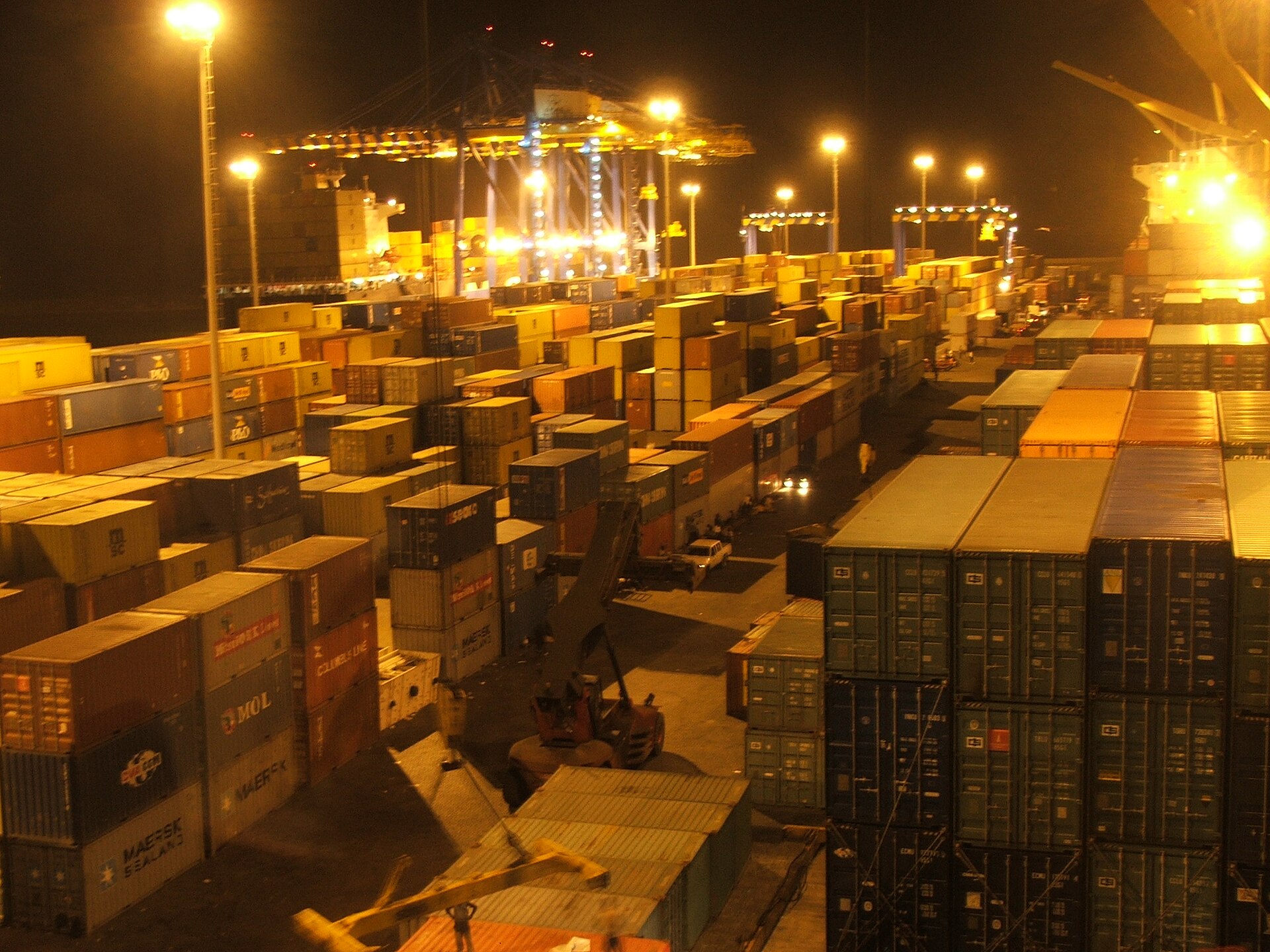
A Ghana Shippers’ Authority (GSA) delegation led by board chairman Mike Allen Hammah and chief executive Professor Ransford Gyampo examined congestion at Tema port on 6 September 2026, Ghanamma reported. The visit followed a statement by the Ghana Ports and Harbours Authority (GPHA) on 7 August announcing emergency measures, which Citi Newsroom reported included more vessel calls to evacuate empty containers, better truck deployment and optimised yard operations.
Causes identified
According to Ghanamma, volumes at Tema rose from about 700,000 TEUs in 2020 to 2.7 million TEUs in 2025. The causes identified included empty containers occupying yard space, the physical inspection of about 70% of containers against a global norm of 10%, poorly coordinated joint inspections by state agencies, a risk classification system weighted towards the Red Lane, and roads and inland depots that have not kept pace with terminal expansion. Meridian Port Services chief executive Mohammed Samara was quoted as describing the congestion as manageable while warning that delays could become more disruptive without quick action. Proposed remedies included a review of GRA Customs risk classification, stricter penalties for incorrect declarations and coordinated inspections.
The cement price dispute
The congestion has spilled into pricing. MyJoyOnline reported on 10 September that GPHA rejected port congestion as the sole justification for a GH¢12 increase in cement prices. GPHA said berths 3, 12, 13 and 14 are designated for cement and clinker and shared among several companies, that a single clinker vessel of about 40,000 tonnes may rely on a limited number of trucks, and that discharge can take three to four weeks when trucking is inadequate. It urged manufacturers to consider the whole logistics chain rather than congestion alone.
Why it matters
Delay at Tema converts directly into demurrage, detention and storage charges, and the allocation of those costs depends on contract wording. Importers should check whether their sale contracts and carriage terms place port delay risk on them, and whether force majeure or delay clauses can be invoked when congestion results from inspection practice rather than events outside anyone’s control. The GSA’s focus on a 70% inspection rate points to a customs policy fix; if the Red Lane criteria change, compliant importers with clean records stand to benefit most. The cement dispute shows regulators are prepared to challenge cost pass-through claims publicly, which is relevant to any business citing logistics costs to justify price increases while competition and consumer protection scrutiny of pricing remains active.
Get the next Meridian Briefing. Every Thursday at 11:00 WAT.




Leave a Reply