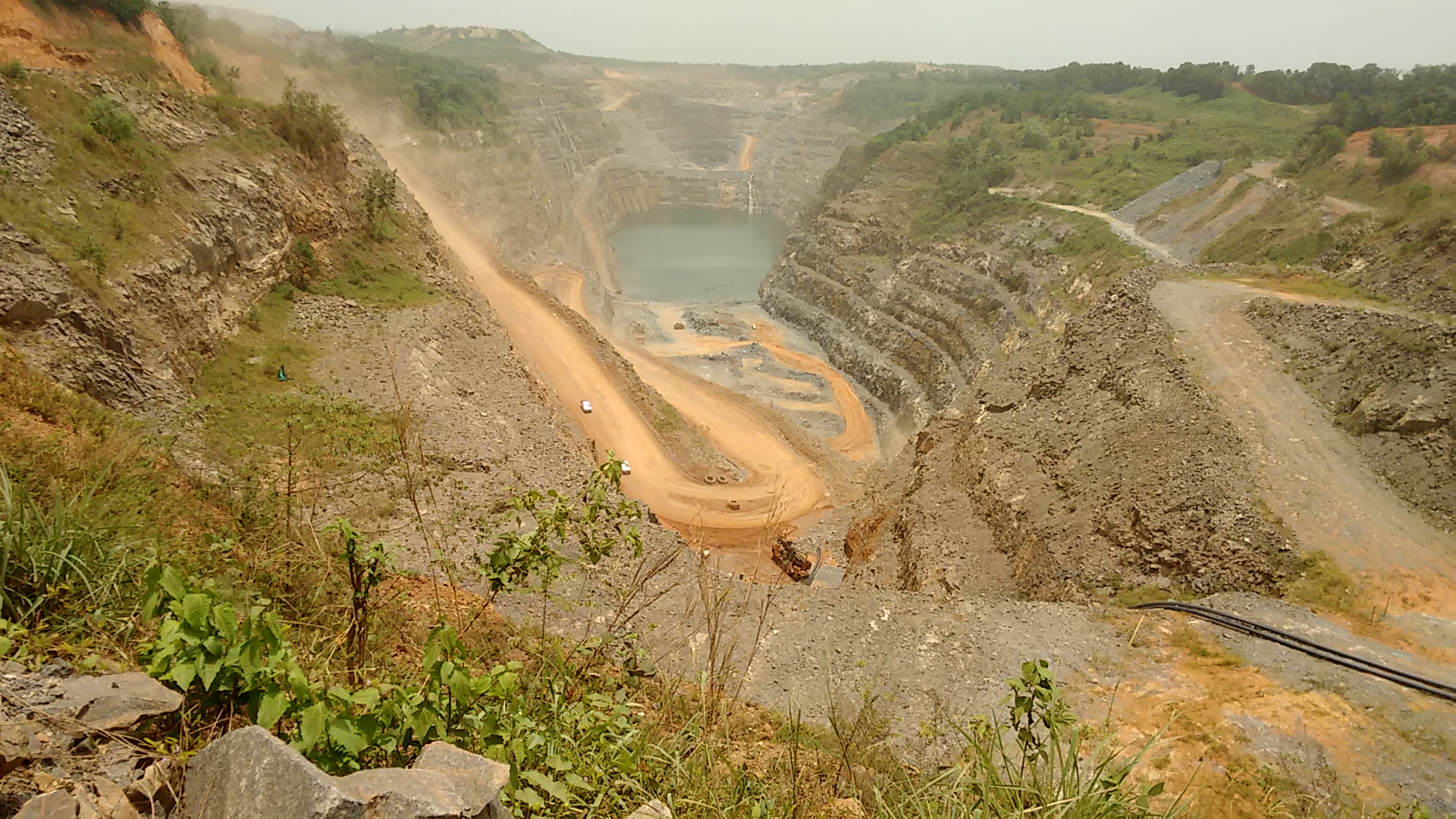
Image: Enock4seth / Wikimedia Commons, CC BY-SA 4.0
Workers at the Loulo and Gounkoto mining companies, a catering contractor and Mali's mines administration have announced strikes between 28 September and 2 October 2026, nine months after Barrick regained control of the complex.
Several unions have threatened strikes at the Loulo-Gounkoto gold complex in Mali, which is operated by Barrick, according to documents reported by MINING.COM on 20 September 2026. The notices cover the two operating companies, SOMILO SA (the Loulo mine) and GOUNKOTO SA (the Gounkoto mine), where four-day strikes are planned from 28 September to 1 October. Workers at Food & Events Africa (FEA), the site’s catering contractor, have announced a five-day strike from 28 September to 2 October.
Separately, staff of Mali’s National Directorate of Geology and Mines and other mining administration agencies have called a 72-hour strike from 29 September to 1 October. MINING.COM reported that Barrick and Mali’s mines ministry did not immediately respond to requests for comment.
What the unions are asking for
According to the report, the mine workers’ demands include adjustments to overtime pay, reimbursement of mission expenses, implementation of labour agreements first submitted in February, and improvements to benefits and welfare. The government mining staff are pressing over unpaid salaries and allowances.
Production context
The complex produced about 190,000 ounces of gold in the first half of 2026, which the report described as well below pre-dispute levels. Mali’s military government returned operational control of Loulo-Gounkoto to Barrick in December, after placing the complex under temporary state administration during a dispute that lasted nearly a year.
Why it matters
The notices test the stability of the settlement between Barrick and the Malian state at the point where output is meant to recover. For lenders, offtakers and insurers, the relevant question is whether a stoppage at the operating companies would trigger force majeure, material adverse change or production covenant provisions, and whether labour action is carved out of those definitions. Most mining finance documents treat industrial action at the borrower as within the borrower’s control, which makes it harder to rely on force majeure than for a government measure.
The strike by the mines directorate matters in a different way. Export authorisations, permit processing and regulatory inspections all run through that administration, so a 72-hour stoppage can delay shipments across the sector, not only at Barrick’s sites. Counsel advising other gold producers in Mali should check whether any regulatory deadlines or approvals fall between 29 September and 1 October and document any delay caused by the stoppage.
Finally, the unions’ reliance on agreements submitted in February points to a familiar exposure under Malian labour law: collective commitments that are negotiated but not implemented can become a source of repeated strike notices. Operators that have just emerged from a dispute with the state have a strong interest in resolving these claims quickly, since a prolonged labour conflict could reopen questions about local employment and social obligations under their mining conventions.



Leave a Reply