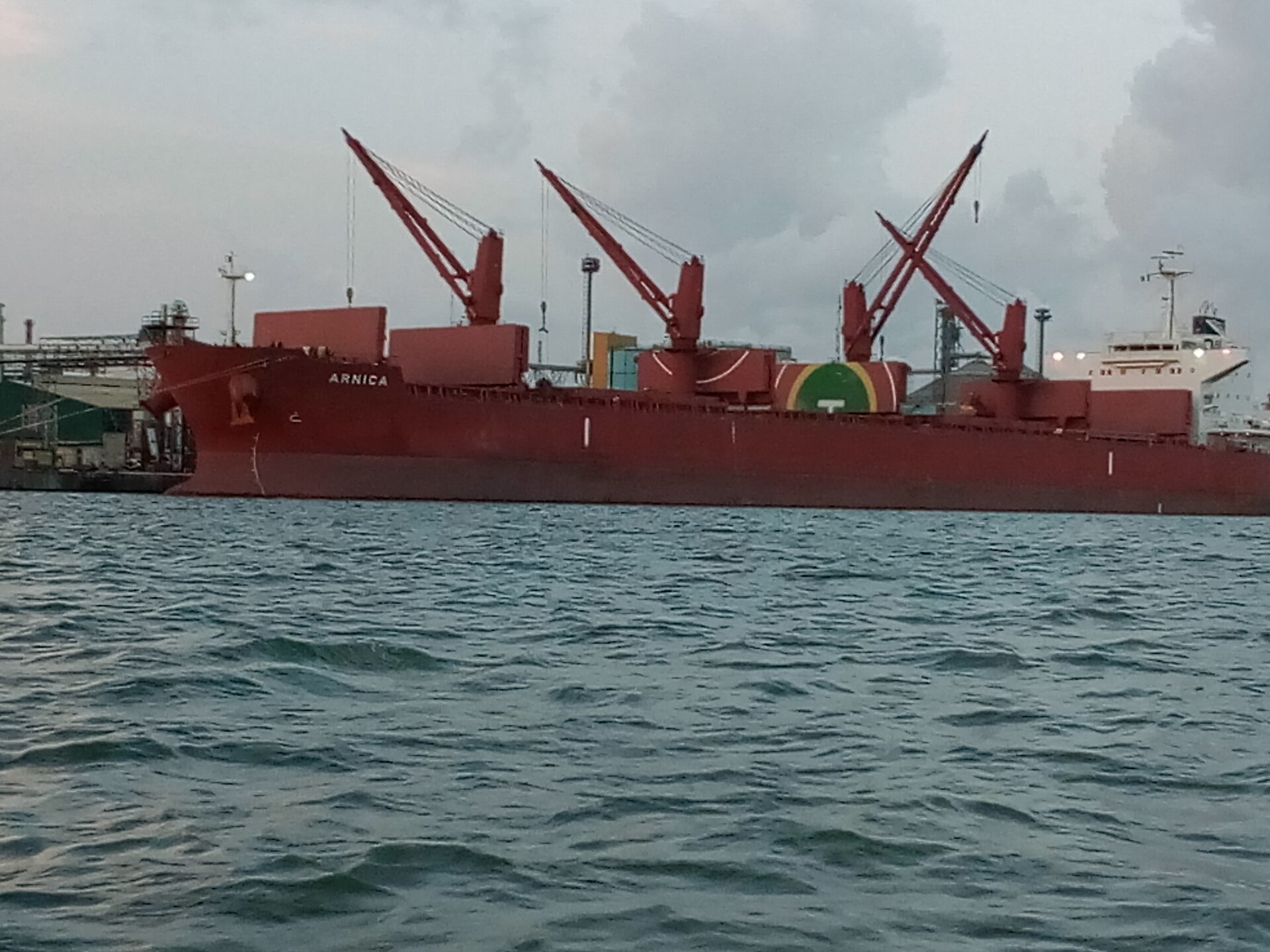
Image: Quadrex24 / Wikimedia Commons, CC BY-SA 4.0
APM Terminals and Badagry Port Development Ltd signed an MoU in Copenhagen committing to exclusive negotiations on the proposed Badagry deep seaport in Lagos.
APM Terminals, part of A.P. Moller-Maersk, signed a memorandum of understanding with Badagry Port Development Ltd in Copenhagen on 8 September 2026 committing the parties to exclusive negotiations on developing the proposed Badagry Deep Seaport in Lagos, BusinessDay reported. The Minister of Marine and Blue Economy, Adegboyega Oyetola, was involved on the government side.
What the MoU does
BusinessDay reported that the parties “will enter exclusive negotiations on the development of the port”, which is intended to take larger container vessels than existing Lagos ports and act as a transshipment hub for West African cargo. The newspaper described the MoU as exploratory rather than a final investment decision. It said the project operates under a build-operate-own-transfer model approved within a US$2.5bn concession framework in 2022. APM Terminals managing director Igor van den Essen said developing Badagry as a greenfield project would ease congestion in city ports.
A long history
The report set out the project’s history: it was conceived in 2012 with APM among the initial investors; an APM-led consortium signed a concession agreement in 2014; the original 2015 to 2019 construction and operations timeline was not met; and the project was revived in 2022. Lekki Deep Sea Port, the nearest comparable facility, began commercial operations in 2023. In December 2025 The Guardian reported that Badagry needed about US$3.7bn and had made little progress, quoting the NPA’s managing director as saying such sums must come from international partnerships.
Why it matters
Exclusivity is the operative term. It gives APM Terminals a protected window to negotiate and restricts the project company from dealing with rival operators, but it does not bind either side to close. Counsel will want to know how long the exclusivity period runs, what happens to the earlier concession framework if terms change materially, and whether any revised concession will need fresh approvals from the Nigerian Ports Authority, the Infrastructure Concession Regulatory Commission and the Federal Executive Council.
The MoU also lands weeks before Ogun State signed its own deep seaport MoUs with DP World. Several planned ports along the same coast compete for the same cargo and the same pool of lenders, so bankability will turn on cargo guarantees, hinterland road and rail links, and the treatment of revenue-sharing and step-in rights in the final concession documents.



Leave a Reply