|
|
|

|
The Meridian Briefing
|
A concise read on sub-Saharan African deals, mandates and market moves, for the people who act on them.
|
|
SATURDAY 17 OCTOBER 2026 · 9-MINUTE READ
|
|
|
|
|
|
|
01 The lead: Kenya's courts unwind the Safaricom sale
|
|
02 Deal sheet: Dangote IPO, Shell–Vaaris, SG Ghana, Ewoyaa
|
|
03 Legal market: 68 new SANs; a gap in the LPDC appeal route
|
|
04 Regulatory watch: fuel import licences, insider credit, Premier/RFG
|
|
05 Analysis: closing is no longer the finish line
|
|
|
|
|
|
|
|
A signed agreement used to be the hard part. This edition is about what can happen after it.
|
In Nairobi, a completed sale of 15% of Safaricom has been declared void, and on 13 October the Court of Appeal declined to suspend that ruling. In South Africa, the Competition Commission wants to revoke a merger approval granted in April. In Accra, a lithium sale waits on government consent with a 30 October date in view. And Africa's largest share sale, the Dangote refinery IPO, now runs to 27 October.
|
|
The common thread: courts, regulators and public-law process are increasingly part of the transaction timetable, not a box ticked before it. The facts, dates and sources follow; our reading of what it means is in the analysis section, and is labelled as such.
|
|
|
|
|
|
|
|
|
|
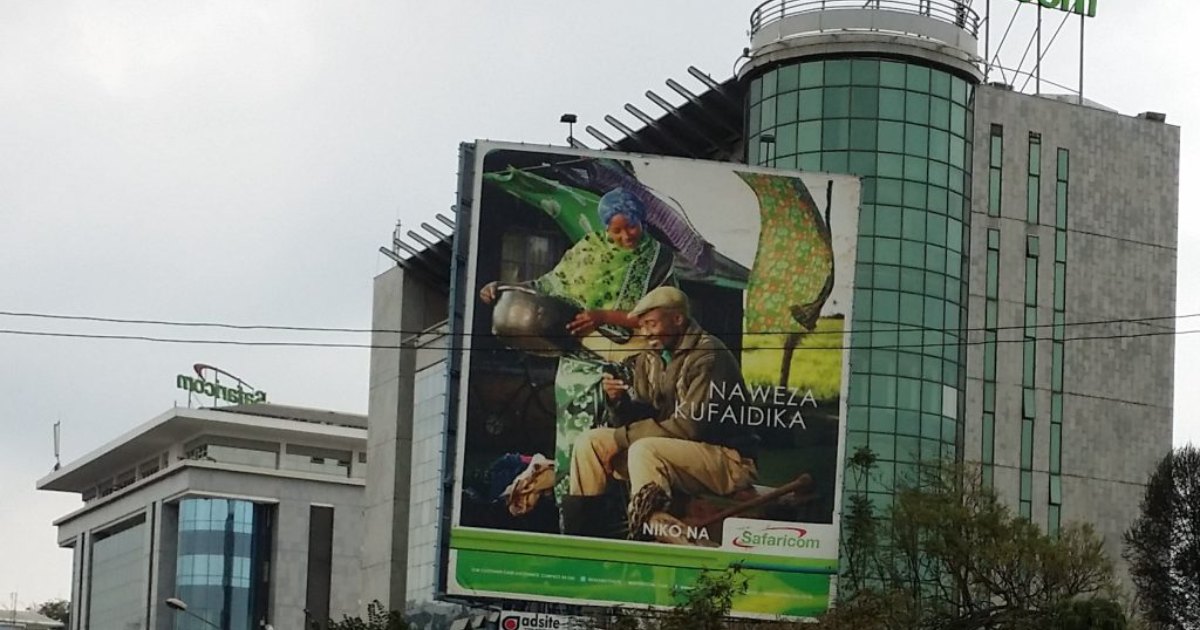
Photo: Nairobi123 / Wikimedia Commons, CC BY-SA 4.0
|
|
|
KENYA · TELECOMS · PUBLIC LAW
|
Kenya's Court of Appeal leaves the Safaricom sale void
The State sold 15% of Safaricom to Vodacom and completed in July. The High Court has unwound the sale, and the appellate court will not pause that judgment while the appeal is pending.
|
What happened
On 13 October 2026 the Court of Appeal dismissed, for lack of merit, applications by the Government of Kenya and Vodacom to stay the High Court's judgment of 15 September. That judgment, by Justices Francis Gikonyo, Roselyn Aburili and Teresia Wanjiku Ouya, declared the State's sale of 6,009,814,200 Safaricom shares to Vodafone Kenya Limited, a Vodacom subsidiary, unconstitutional, null and void. It quashed Sessional Paper No. 3 of 2025 and related approvals, and ordered the shares restored to the Government (The Standard).
|
The transaction completed on 6 July 2026. The Government received KSh204.3bn for the shares at KSh34 each and a further KSh40.2bn in lieu of future dividends on its retained holding, about KSh244.5bn in all. The Standard puts the associated foreign-currency inflow at roughly US$1.56bn.
|
The petition, led by Tony Gachoka, challenged the legality of the disposal, public participation, the valuation and the approval procedure. The Government argued that reversing a completed sale would be complex, would affect investors and foreign-exchange flows, and raised questions about Section 87A of the Public Finance Management Act and Parliament's role.
|
Why it matters
[ANALYSIS] The significance lies in the stage, not only the size. This sale was negotiated, approved, paid for and completed. Its vulnerability sat in the public-law process behind the seller's authority to sell, rather than in the share purchase agreement. Buyers of State-held assets anywhere in the region now have a recent, high-value example of why the seller's constitutional and statutory process deserves the same diligence as title to the shares.
|
What happens next
|
The Treasury and Vodacom have said they will pursue their appeals. As reported by Innovation Village, no published order yet deals with repayment of the KSh244.5bn, which the Treasury has described as non-refundable. Until the appeal is determined, the High Court judgment stands. No hearing date had been reported at the time of writing.
|
|
|
|
|
|
|
|
|
|
|
Parties, values and advisers are listed only where publicly confirmed. Undisclosed means undisclosed.
|
|
|
|
|
|
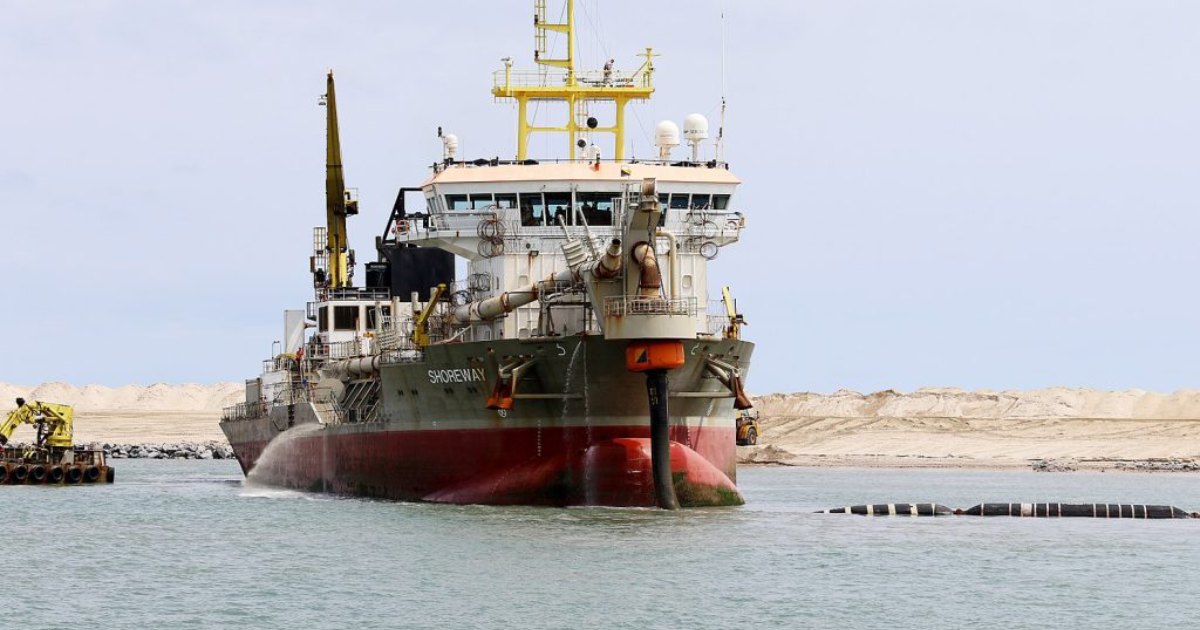
Photo: GodwinPaya / Wikimedia Commons, CC BY-SA 4.0
|
|
|
EQUITY CAPITAL MARKETS · NIGERIA
|
Dangote refinery IPO extended to 27 October
ISSUER
Dangote Petroleum Refinery & Petrochemicals FZE
|
TERMS
4.1bn ordinary shares at ₦525 each: about ₦2.15tn (c. US$1.6bn), or up to c. US$2.1bn if the over-allotment option is exercised.
|
STATUS
Opened 14 September. On 12 October the company announced SEC approval to move the close from 13 to 27 October to widen participation across Africa. Aliko Dangote said subscriptions were three to four times the target; that figure is the company's and has not been independently verified. Bloomberg reports a draft allotment to the SEC on 10 November, with trading likely from about 8 December.
|
NOTE
The prospectus states the offer is not registered as a public offering outside Nigeria; investors elsewhere rely on local rules or eligible platforms (Reuters).
|
ADVISERS
Vetiva, lead issuing house. Banwo & Ighodalo, solicitors to the issuer; Olaniwun Ajayi and AELEX also named as legal advisers, roles not specified (as reported by Nairametrics).
|
|
|
|
|
|
Shell sells Shell Nigeria Gas to Vaaris Energy
PARTIES
Shell Petroleum B.V. (seller); Vaaris Energy Limited (buyer).
|
ASSETS
The Shell Nigeria Gas Group, including Shell Nigeria Gas Holding B.V., which holds all but one share of Shell Nigeria Gas Limited: about 170km of pipeline serving more than 130 industrial and commercial customers in Ogun, Abia and Rivers states.
|
STATUS
Announced 13 October by Shell's Country Chair, Elohor Aiboni. Subject to regulatory approvals and other conditions; the business continues to operate under Shell until completion.
|
CONTEXT
Shell says it will concentrate on deepwater and integrated gas in Nigeria, including its Nigeria LNG interest. The sale follows Shell's exit from onshore production through the sale of SPDC.
|
|
|
|
|
|
|
BANKING M&A · GHANA · MOROCCO
|
Attijariwafa and SSNIT to acquire Société Générale's stake in SG Ghana
PARTIES
Société Générale Group (seller of its entire 60.22%); Attijariwafa bank (acquiring 55.22%); SSNIT (acquiring 5%, taking its holding from 19.36% to 24.36%).
|
STATUS
Announced 1 October. MyJoyOnline reported on 5 October, citing sources, that the Bank of Ghana has issued a no-objection; we have not seen an official Bank of Ghana statement. Ghana SEC approval is still required.
|
|
|
|
|
|
|
MINING M&A · GHANA · LITHIUM
|
Ewoyaa lithium sale approaches its 30 October approval date
PARTIES
Elevra Lithium (seller); Zhejiang Huayou Cobalt (buyer).
|
VALUE
About US$71m in cash for Elevra's interest in the Ewoyaa project, including associated offtake rights.
|
STATUS
Agreed 11 May 2026. Ghanaian Government approvals remained outstanding at Elevra's 1 October update. If they are not obtained by 30 October, Huayou may complete or terminate.
|
TERMS TO NOTE
A US$5m break fee is payable if Huayou terminates, but not if Ghana rejects Huayou's application on or before 30 October.
|
|
|
|
|
|
|
|
|
|
|
|
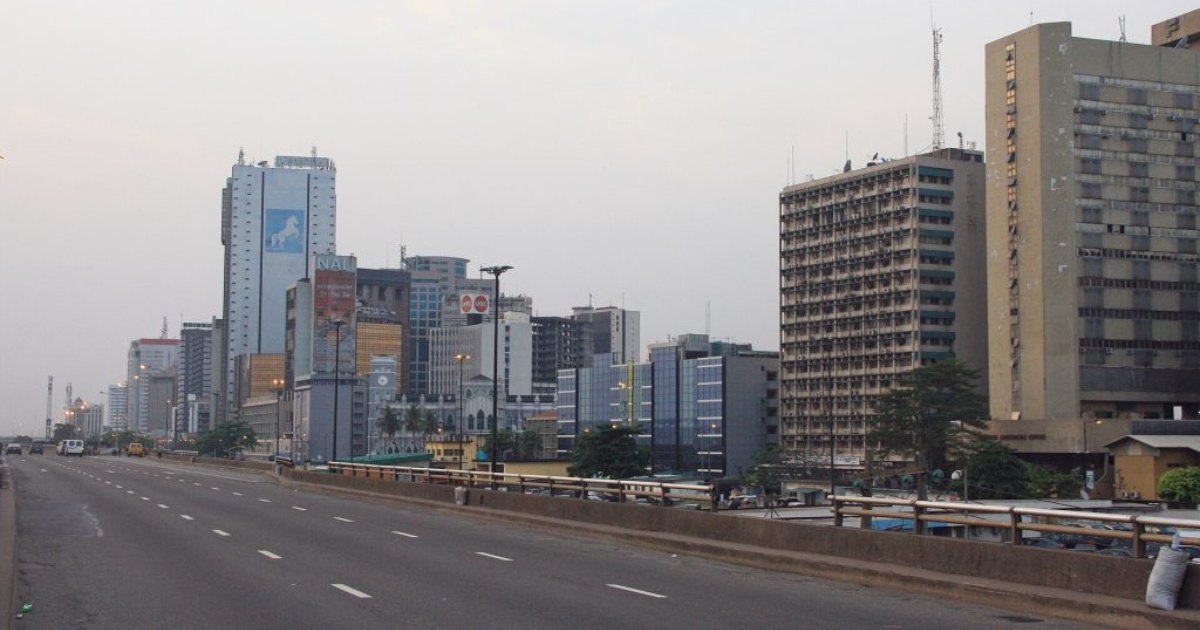
Photo: Clara Sanchiz / Wikimedia Commons, CC BY-SA 2.0
|
|
Sixty-eight new silks, with a pointed warning
|
Chief Justice Kudirat Kekere-Ekun swore in 68 new Senior Advocates of Nigeria on 12 October, at the special session opening the 2026/2027 legal year: 67 advocates and one academic, Professor Nnamdi Onyeka Obiaraeri. The Legal Practitioners' Privileges Committee approved the list at its 174th plenary on 23 July and barred congratulatory advertisements. The CJN told the new silks that the rank places no one beyond accountability, pointing to disciplinary action against senior lawyers in the previous legal year (Channels Television).
|
|
|
|
|
NIGERIA · PROFESSIONAL DISCIPLINE
|
A gap in the appeal route for disciplined lawyers
In Mene-Ejegi v NBA & LPDC (SC/481/2018), decided on 26 June 2026 by a 5–2 majority, the Supreme Court held section 12(7) of the Legal Practitioners Act void to the extent it gives a direct appeal from the Legal Practitioners Disciplinary Committee to the Supreme Court: an Act cannot extend the Court's appellate jurisdiction beyond what the Constitution provides. The Body of Benchers has since said, in a 13 August letter, that it cannot constitute an Appeal Committee under the current framework.
|
On 28 September the Federal High Court in Abuja (Egwuatu J) restrained enforcement of the LPDC's three-year suspension of Chief Joe-Kyari Gadzama SAN until he can exercise a right of appeal (Vanguard).
|
|
[ANALYSIS] Until the National Assembly or the profession's bodies close the gap, LPDC sanctions are exposed to jurisdictional challenge. That matters to firms' risk and compliance functions as much as to individual practitioners.
|
|
|
|
|
|
|
|
Fuel import licences go to the Court of Appeal
On 28 September the Federal High Court in Abuja (Ekwo J) held, in a suit by Matrix Energy, AA Rano and AYM Shafa against the NMDPRA (FHC/ABJ/CS/1363/2026), that the regulator's refusal to grant or renew their import licences did not comply with the Petroleum Industry Act, citing sections 31 and 32 and section 72 of the Federal Competition and Consumer Protection Act. The court ordered continued licensing once the companies meet the NMDPRA's conditions (Premium Times). On 6 October the Dangote refinery applied to the Court of Appeal for leave to appeal as an interested party (Nairametrics).
|
|
Who it affects: importers and marketers, the regulator's licensing discretion and, indirectly, investors weighing the refinery's IPO, since competition from imported product bears on its domestic market.
|
|
|
|
CBN moves from directive to enforcement on insider credit
The CBN's Director of Banking Supervision, Dr Olubukola Akinnwunmi, told a seminar for finance correspondents (reported on 9 October) that some bank owners, shareholders and directors have left the industry because of stricter enforcement of insider-credit rules, and that directors who continue to abuse insider credit risk losing their board seats. He said the forthcoming risk-based capital framework will require more capital against insider lending. The enforcement builds on the CBN's February 2025 circular. No banks, individuals or figures were disclosed (Nairametrics).
|
|
Who it affects: bank boards, controlling shareholders and banks still completing recapitalisation.
|
|
|
|
|
SOUTH AFRICA · COMPETITION
|
Competition Commission seeks to revoke the Premier/RFG approval
The Commission has asked the Competition Tribunal to revoke its April 2026 approval of Premier's R6bn share-swap merger with RFG, or alternatively to require a refiling or amended conditions. It says the parties did not disclose the contemplated closure of RFG's Tulbagh fruit-canning operation, which could cost about 400 jobs, in breach of the employment condition. Premier rejects the allegations and says the decision came after implementation (Business Day; Bowmans).
|
|
Who it affects: any merging party that has accepted public-interest conditions in South Africa. Those conditions are being enforced after implementation.
|
|
|
|
|
|
|
|
|
|
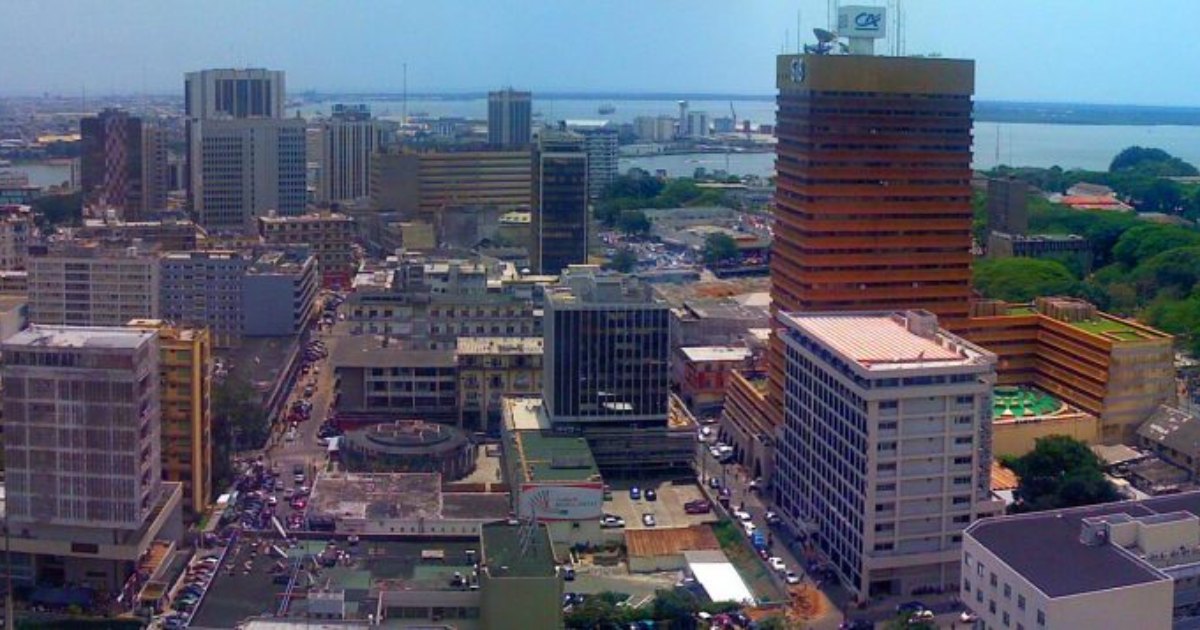
Photo: Zenman stitched by Marku1988 This pano / Wikimedia Commons, CC BY-SA 3.0
|
|
|
Shelter Afrique Development Bank is raising XOF60bn (about US$100m) in its first sustainable bond, in five-year (6.10%) and seven-year (6.30%) tranches, to fund affordable housing. Subscription runs from 7 to 30 October; CGF Bourse is lead arranger, with IFC and Ecobank anchoring (Reuters).
|
|
The EBRD has lent €99.1m (about US$111m) to Mota-Engil Africa to finance equipment, working capital and refinancing at three mines, with a training and women's-participation programme attached (announced 14 October; EBRD).
|
|
The Competition Authority of Kenya has approved Cable Experts' acquisition of a 68.37% stake in East African Cables (reported 7 October; TechMoran).
|
|
|
|
|
|
|
|

|
|
Photo: Kevoyugi / Wikimedia Commons, CC BY-SA 4.0
|
|
Closing is no longer the finish line
This section is interpretation, built on the facts reported above.
|
Across four jurisdictions in a single fortnight, the decisive moment in a transaction came after signing, and in two cases after completion:
|
- Kenya: completed in July, declared void in September, stay refused in October.
- South Africa: approved in April, implemented, and now subject to a revocation application.
- Ghana: a lithium sale waiting on State consent against a 30 October date, and a bank sale moving through sequenced approvals from two regulators.
- Nigeria: a regulator's licensing discretion overridden at first instance, with the country's largest refinery seeking to join the appeal.
Three practical consequences follow for those advising on African transactions.
|
First, diligence the seller's authority, not only the asset. For disposals by governments and State entities, the public-participation record, the legislative instruments relied on and the parliamentary process are now material diligence items. A clean share purchase agreement does not cure a defective public-law foundation.
|
Second, conditions survive completion. Public-interest undertakings given to competition authorities are being enforced after implementation. Integration plans that touch employment or local suppliers should be checked against those conditions before announcement, and disclosure to the authority should anticipate decisions under active consideration.
|
Third, allocate the risk of official silence explicitly. The Ewoyaa terms separate a government's rejection, which carries no break fee, from a buyer's decision to walk away after silence, which does. Long-stop dates, break fees and unwind mechanics deserve that level of precision wherever State consent is required.
|
|
A caution on our own reading: four cases in a fortnight are a signal, not a statistical trend. Each turns on its own statute and facts. But the direction is consistent, and the cost of pricing it in at term-sheet stage is low.
|
|
|
|
|
|
|
|
|
|
|
|
Deals now close twice: once on paper, and once when every court and regulator with a say has finished saying it. We will keep watching the second closing.
|
|
— The Meridian Editorial Team
|
|
|
|
|
|
|
|
|